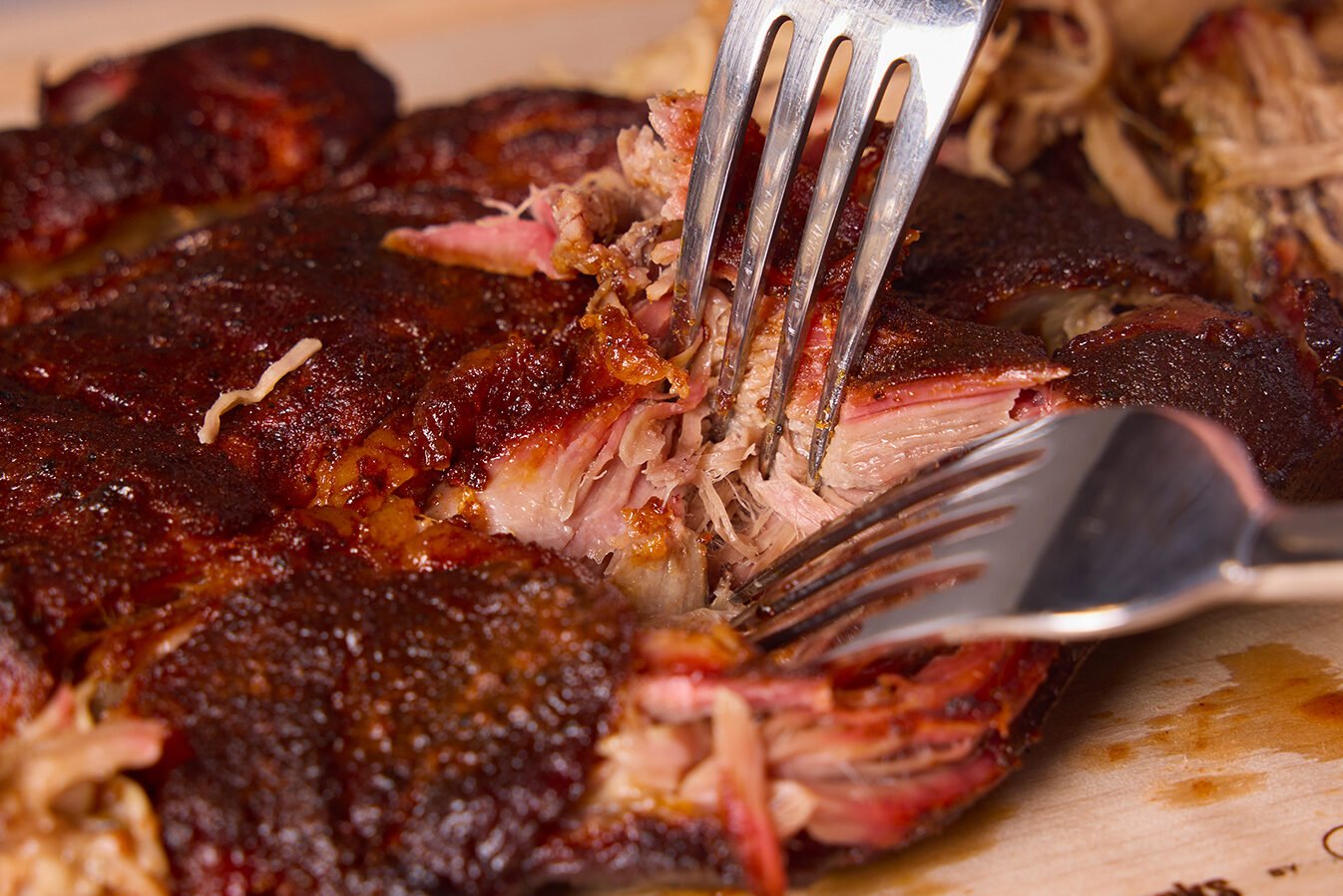
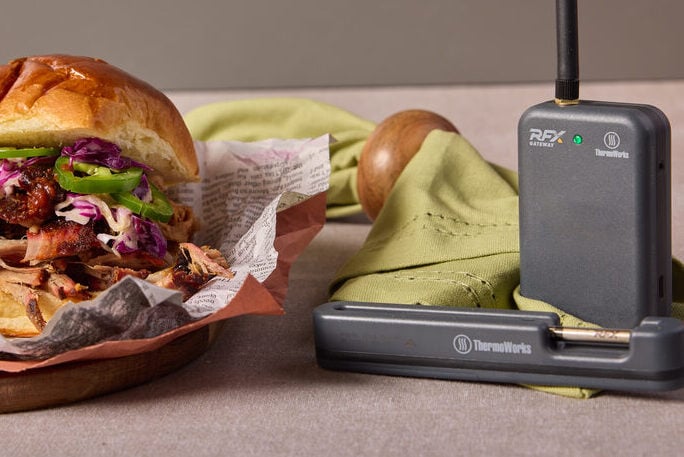
We all love good pulled pork. It tastes like summer and a perfect food for a family BBQ. But it takes forever to cook, sometimes ends up dry and overcooked. And there usually just isn't enough flavorful bark and seasoning to go around. Get juicy, smoky pulled meat with more bark in every bite—no 12-hour cook required.
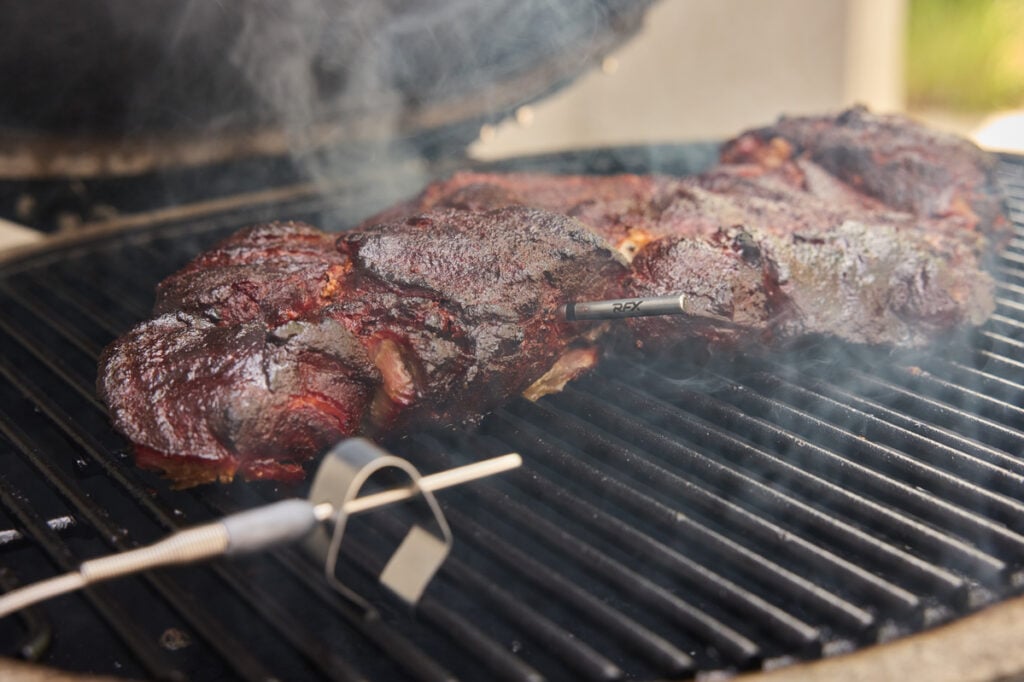
We wondered: Can make pulled pork that’s smokier, more tender, and faster than the traditional methods? Spoiler alert: The answer is yes. With an RFX™ Wireless Probe Starter Kit—along with some thermal thinking and clever butchery—we were able to master killer meat in about four hours.
Our butterflied pork butt ditches the bone in favor of some heavy seasoning. By the time it’s done, every bite has crust, smoke, and the kind of pull-apart tenderness you usually only get after an all-day cook. Read on to learn how to make your own.
The Problems With Traditional Pulled Pork
They Are Slow and Can Get Dry
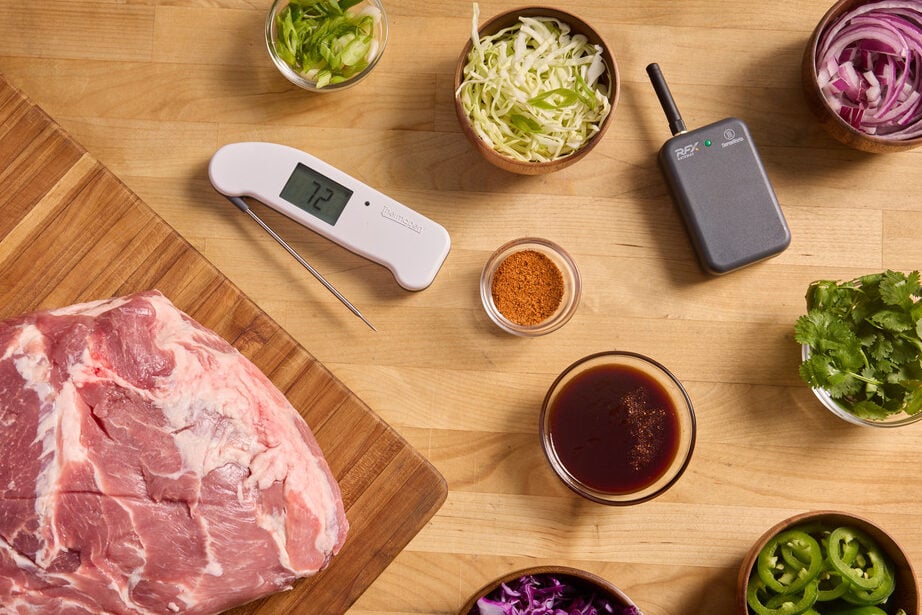
To make a pork butt pull-apart tender, you need to break down its connective collagen—a process that requires both time and heat. Usually they get enough of both by the time they hit about 203°F (95°C). The problem, from a time perspective, is the shape of a pork butt. They’re shaped like an oblate spheroid, or maybe a giant meat boulder. However you describe them, they’re thick and wide with a relatively small surface area.
That bunched-up mass makes heat transfer slow. If you rush a pork butt, the outside dries out long before the inside is tender—which explains why 12-hour cooks are the norm…and why some of them still yield overcooked results.
They are Often Bland
Even when you nail the temperature and texture on a pork butt, there’s still the issue of seasoning. We all know that the best bits of the pork butt are the ones with the most bark—those smoky, seasoned edges. Sadly, in a whole butt, the ratio of bark to meat is low. Once everything’s pulled and shredded, the inner meat often ends up…lackluster at best.
That blandness is why it’s often sauced and why many pitmasters inject pork butts with flavorful brines and mixtures—it’s a great workaround, but not everyone has the gear (or time) to take that extra step. This is where our method comes in.
Our Solution: Butterfly Your Pork Butt
By removing the bone (or buying a boneless butt) and slicing the shoulder so it lays flat, you create a longer slab of meat that’s only a little thicker than a rack of ribs. When the butt is rearranged like this, you gain two major advantages:
- Faster Cook Times: Heat penetrates more quickly through the thinner cut.
-
More Flavor: The increased surface area means more rub, more bark, and more smoke flavor per bite.
The result? More smoke, juicier texture, richer bite—in a fraction of the time.
But Doesn’t Bone-in Meat Taste Better?
Good question. The idea that bones add flavor is surprisingly controversial. As Kenji López-Alt points out for Serious Eats, “The flavor exchange theory is completely bunk...The bone’s main role is insulation. It slows cooking and protects meat from overcooking. That’s why meat near the bone is usually more tender.”:
So, unless you’re cooking something where looks or presentation matter (like a tomahawk steak), there’s no advantage to keeping the bone—especially when we’ll be shredding the meat anyhow. Plus, boneless butts are easy to come by and relatively affordable at large discount club stores.
How to Cook Butterflied Pork Butt
Step 1: Smoke, Unwrapped
- Butterfly your pork butt and apply rub. (A binder is optional—more of a personal preference than a thermal necessity.)
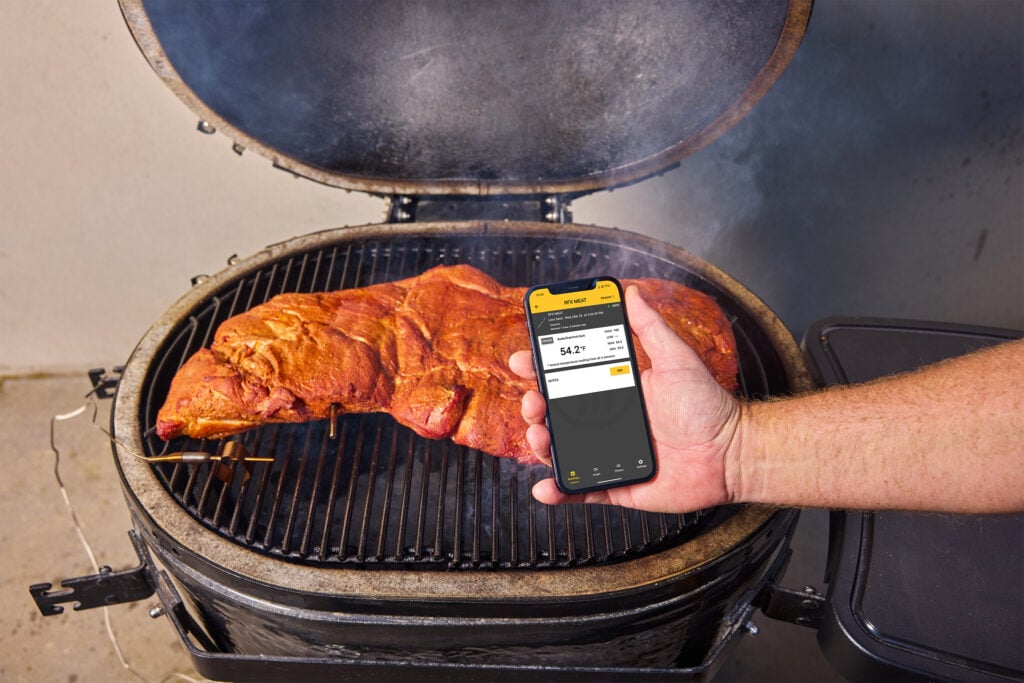
- Insert your RFX MEAT™ wireless probe into the meat, ensuring it reaches the minimum immersion line.
- Smoke your pork butt at 250°F (121°C) for about 2 hours, until the bark sets and the internal temp hits 160°F (71°C). We recommend double-checking this with Thermapen® ONE.
Tip: If liquid pools on top of the meat, prop one side up with foil balls to drain it off.
Wrap the Shoulder
Step 2: Wrap and Cook
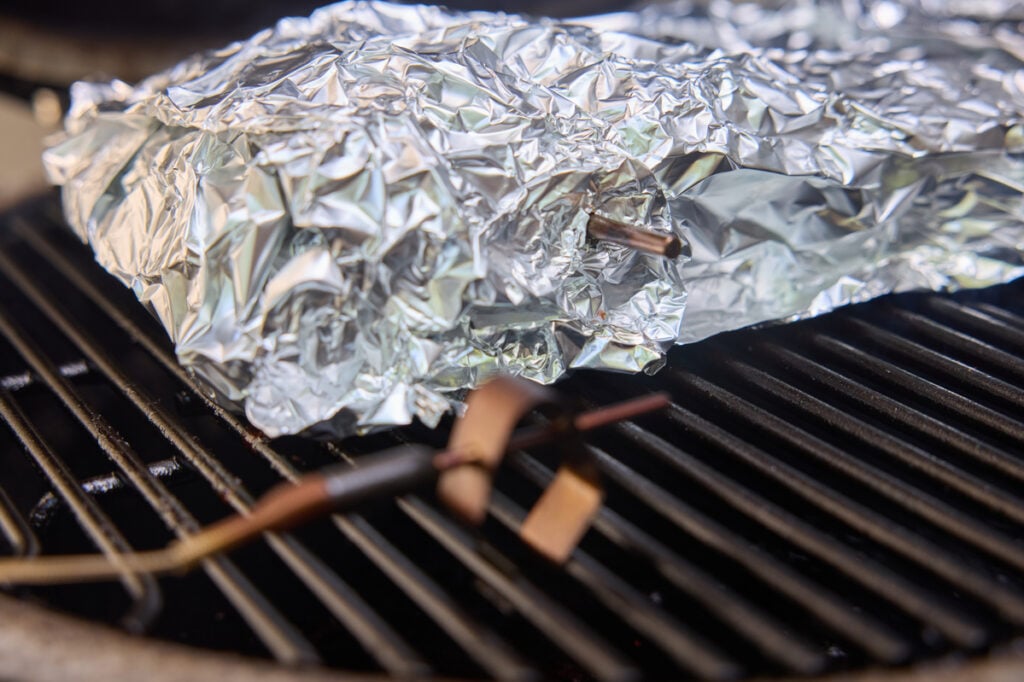
- Once the bark is set, wrap the pork tightly in foil. You can add extras like butter, apple juice, or brown sugar—especially if you like a sweeter flavor profile.
- Re-insert RFX MEAT probe through the foil into the meat, and return the pork to the smoker. Set your high-temp alarm via ThermoWorks app to 203°F (95°C).
This wrapped stage takes about 2 more hours, during which you’ll break down that connective collagen.
Step 3: Unwrap and Finish
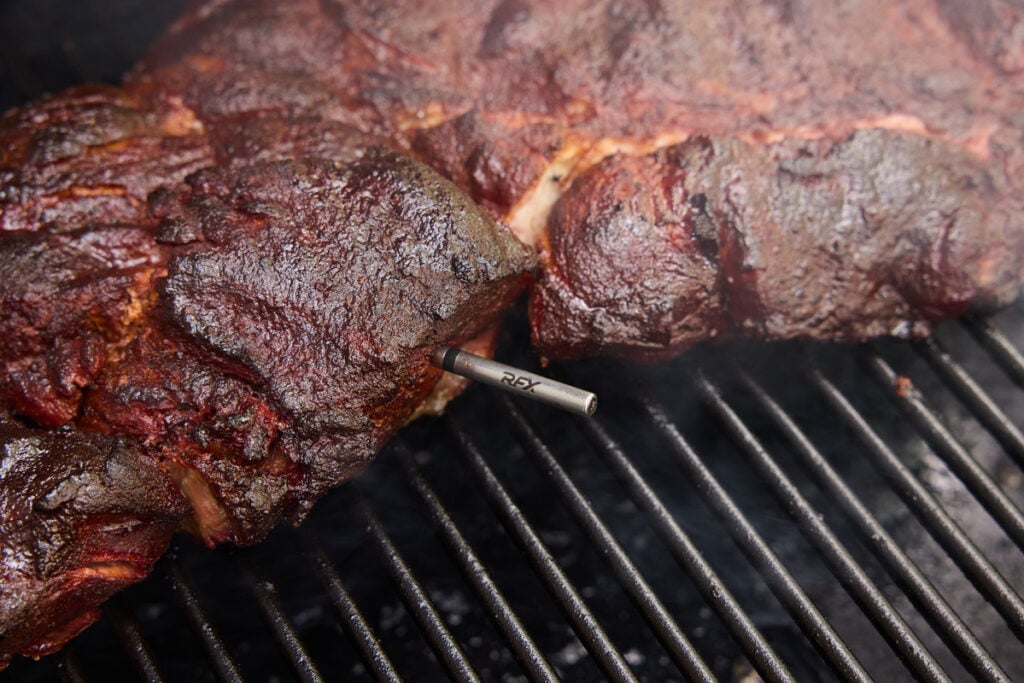
- Unwrap the pork and return it to the smoker for another hour to re-set your bark and evaporate any excess liquid.
This is also your time to brush the pork with a sticky-sweet sauce to give it a lacquered appearance, if you’d like. Expect the internal temp to drop sharply right after unwrapping. That’s normal—moisture is evaporating fast.
This has become our go-to method for pulled pork. It’s faster than traditional low-and-slow cooks, easier thanks to tools like RFX, and boasts more bark and deeper smoke than its “traditional” counterpart. Try our butterflied pork butt this weekend—or even tonight. You could have melt-in-you-mouth shredded meat ready by dinner. Enjoy better pulled pork, easier, with thermal thinking and ThermoWorks tools. Happy cooking!