

Cooking brisket in a "foil boat" is a technique popularized by Chud's BBQ that solves the classic pitmaster's dilemma: how to get a firm, crispy bark on top without turning the bottom of the flat into jerky. By creating a custom-fit aluminum cradle, you allow the brisket to braise in its own rendered fats while the fat cap stays exposed to dry heat and smoke.
We gave it a shot. The result? Excellence. Our result was, of course, aided by the constant temperature we achieved with our Billows™ BBQ Control Fan and our Signals™ thermometer. The right tools always help, right? Let’s get into it and look more closely at this method.

Why Use the Foil Boat Method?
Unlike a full butcher paper or foil wrap, the foil boat doesn't speed up the cook or beat the stall. Instead, it acts as a flavor-collecting reservoir.
- The Braise: The boat catches every drop of fat and juice that normally drips away, pooling it around the bottom half of the meat to keep it tender.
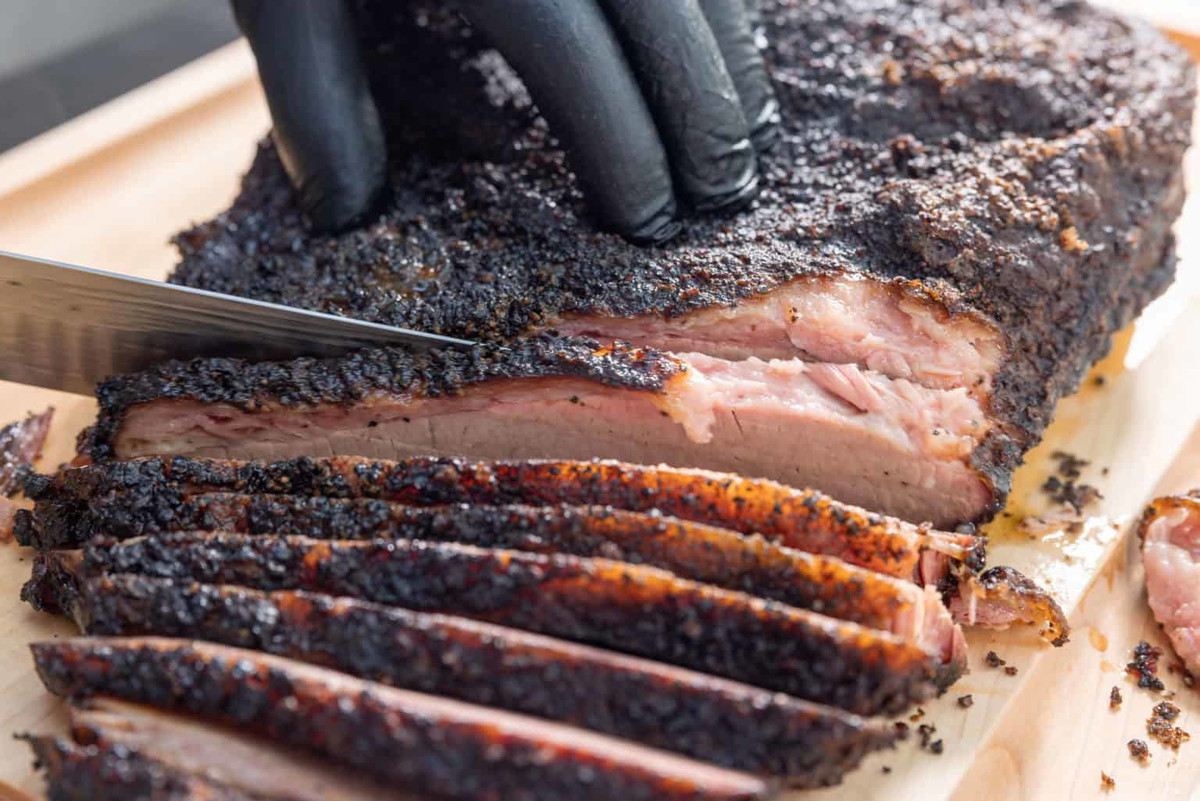
- The Bark: Because the top remains exposed, it continues to develop a deep, crunchy bark throughout the entire 17+ hour cook.

Critical Temperatures for Success
To pull this off, you need to monitor the pit and the meat simultaneously. A Signals™ thermometer paired with a Billows® BBQ Control Fan is the gold standard for maintaining a rock-steady 250°F (121°C) environment.
- Boating Temperature: 165°F (74°C). This is when the bark has set on the bottom and sides, and you are ready to start the braising phase.
- Final Pull Temperature: 201°F (94°C). Once reached, verify the "probe-tender" feel with a Thermapen® ONE.

Bottom line
Cooking brisket in a foil boat doesn’t speed things up. You cook it at 250°F (121°C) until it reaches 165°F (74°C), then put it in a foil boat and finish the job until it gets to 201°F (94°C), and that takes just as much time as cooking without any foil or paper. But adding the foil boat isn’t hard, and the savings you get in texture is well worth the minimal effort. Braising the beef in its own fat and juices keeps the bottom tender so that you can push for amazing bark on the top fat cap layer. Use Signals and Billows to keep an eye on the temperatures so you know when to boat it up and when to check its final temp and texture. With the right tools, it’s practically foolproof!



0 comments