

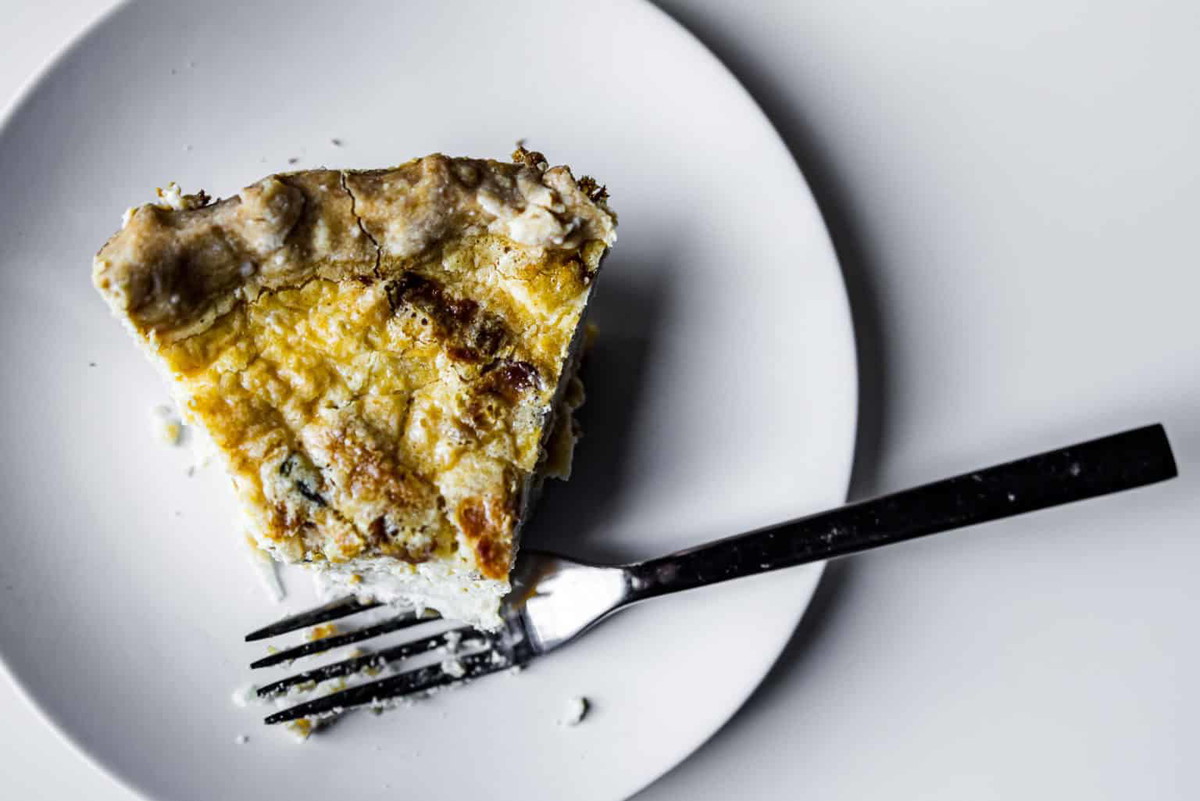
Quiche is one of the greatest make-ahead breakfasts imaginable. Meant to be served at room temperature—or even slightly chilled—you not only can make quiche ahead, you have to! This makes it the ultimate stress-free dish for celebratory mornings like Mother's Day or holiday brunches.

The Secret to Silky Custard
At its heart, quiche is a custard pie. Custard is a delicate emulsion of milk or cream and eggs that must be cooked to a specific thickened consistency. Without enough cream, you have a frittata; with too much heat, you have scrambled eggs. The goal is a silky, exquisite texture that only precise temperature monitoring can guarantee.
Critical Doneness Temperature: The custard in a quiche is perfectly set between 165°F and 185°F (74°C and 85°C). Using a Thermapen® ONE allows you to pull the quiche before the eggs curdle, ensuring a luscious mouthfeel every time.'

Blind Baking: The Key to a Crisp Crust
One major difference between a stellar quiche and a mediocre one is the crust. To avoid a "soggy bottom," you must blind-bake. This process involves pre-cooking the crust without the filling to set the dough and create a moisture barrier. We bake with pie weights at 375°F (191°C) until the edges brown, then finish without weights to ensure the center is fully cooked.
By cooking to temp rather than time, you eliminate the guesswork and deliver a quiche with a texture your tomorrow-self will be truly grateful for.


0 comments