

If the ribeye is, as some say, the king of steaks, then the ribeye cap is the jewel in its crown. This is not a common cut of meat to find, but if you are lucky enough to find a ribeye cap (sometimes called rib cap or even by the Latin spinalis dorsi) at your local grocery or meat store, do not hesitate—buy it! In our considered opinion, it ranks as perhaps the greatest cut of meat on the whole cow, boasting an unmatched balance of tenderness, flavor, and ease of cooking. Read on to learn more about this amazing cut and how to cook it properly. Here’s a hint: if you’ve ever cooked a steak with Thermapen® ONE, you’ve pretty much got it down already!
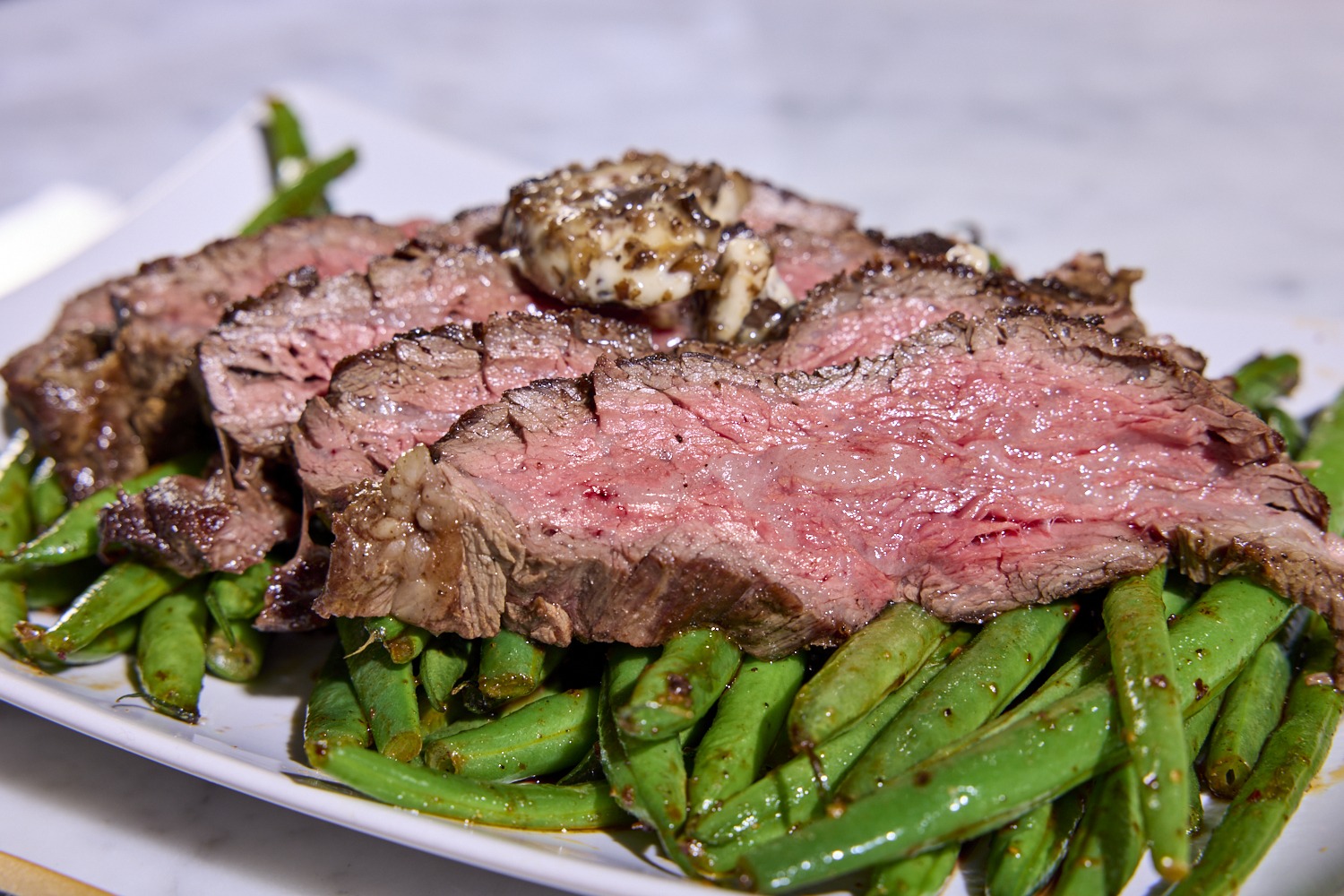
What is ribeye cap? And what about ribeye cap steak?
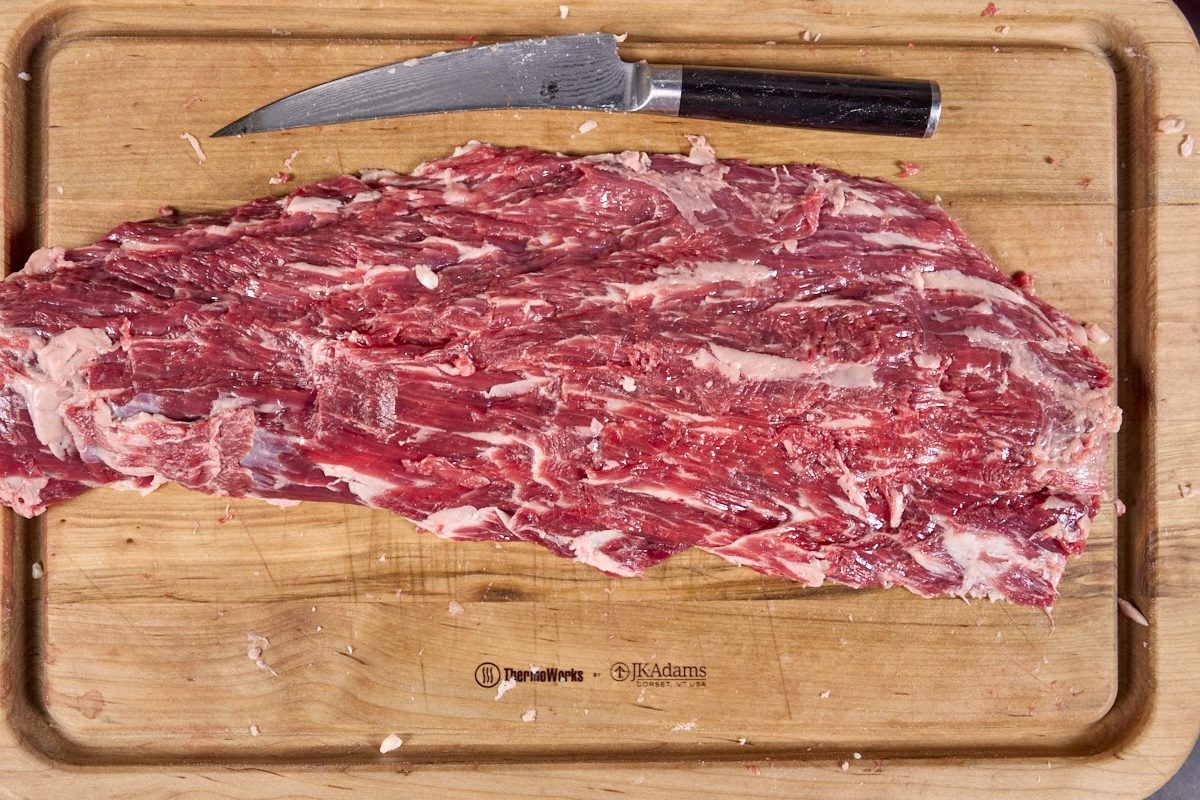
The rib cap is the glorious outer-rim of the prime rib roast. It is, to many minds, the best corner of a traditional ribeye steak on the plate—that loose part on the other side of the strip of fat that runs through the middle of each ribeye steak. But removed from the rest of the rib loin entirely and cooked as its own self-sufficient cut, the rib cap becomes something altogether extraordinary.
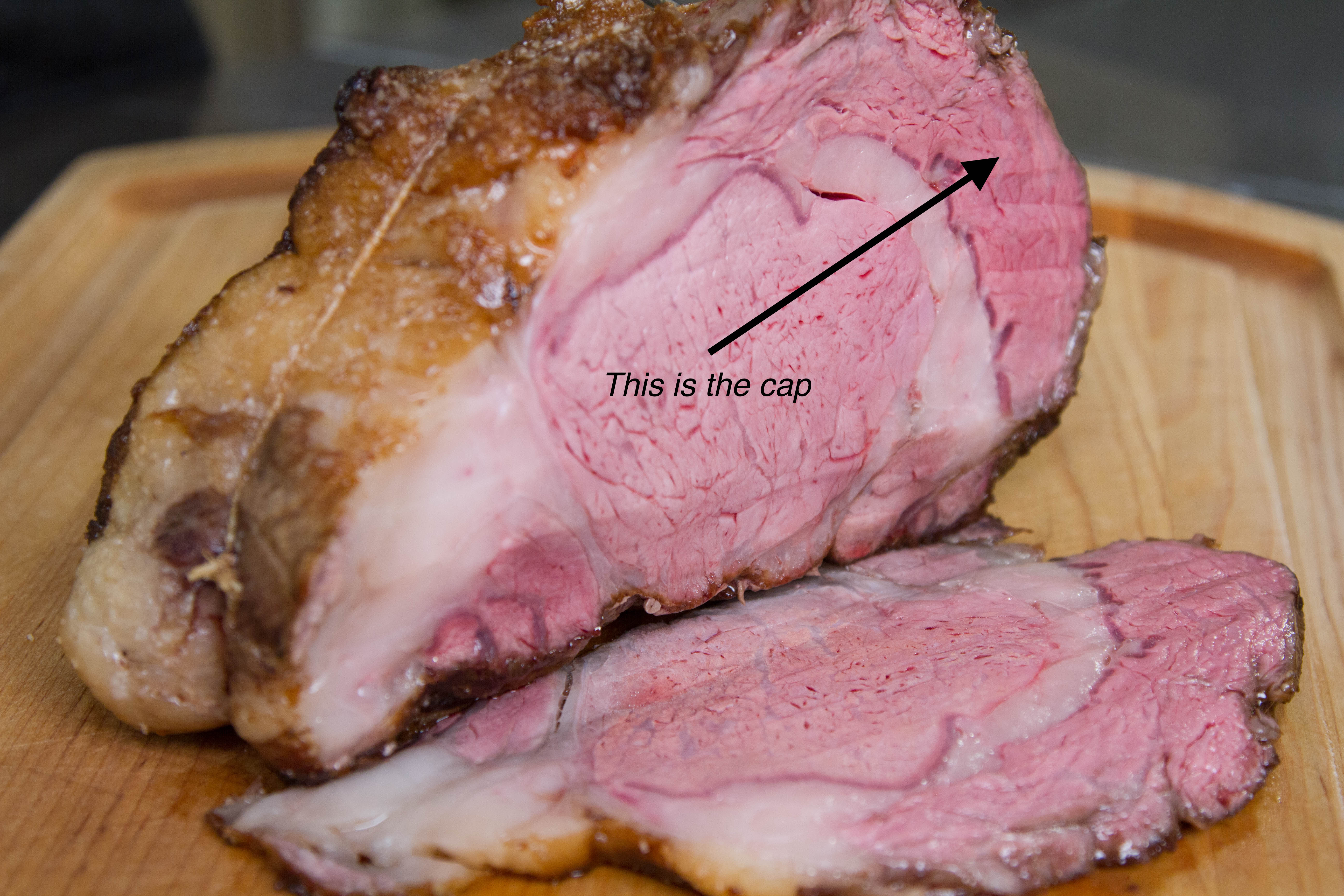
The meat of the cap is, well, loose. Spongy, almost. It has layers of muscle fibers that are bound together with almost no connective tissue. The cut is shot-through with marbling fat that melts like butter when cooked, and it’s not just any fat, either. It’s rib eye fat. If you’re a beef lover, you know already that every muscle tastes differently and that fat from every part of the cow has its own unique flavor and texture. And you know that seared ribeye fat is among the best smelling and best tasting.
Ribeye cap steak takes on two forms: flats and pinwheels. If you cut the cap off of your rib roast and cook it as is, it closely resembles a flank steak. This is a flat. But when you buy ribeye cap steaks at a butcher, you’re likely to get pinwheels. To make the pinwheels, the butcher rolls the flat cap up, ties it into sections, and cuts those sections into steaks. The result is a rolled steak held together with butcher twine. Either of these options is great, but here we’re going to cook the flat.
How to butcher a ribeye cap steak
As I mentioned above, the spinalis dorsi is not a common muscle. I hear tell of it being sold at giant-box wholesale stores from time to time, and you can certainly buy them from specialty retailers online. If you have a very good local butcher’s shop, you can most likely get one there. But otherwise, if you want a ribeye cap, you’re going to have to make one yourself.
Yes, this is an opportunity for some light home butchery, so sharpen up your boning knife and check out the video below. It’s really quite simple, once you get past the first stages. At a certain point, you can even set the knife down and let your fingers do the work.
- First, remove a few steaks from the loin-end—the end that looks more like a NY strip. At this end the cap is too thin to use, so cutting off a few steaks for later use will get you to the part of the cap that is thick enough—at least a solid half inch. Enjoy these steaks at your leisure.
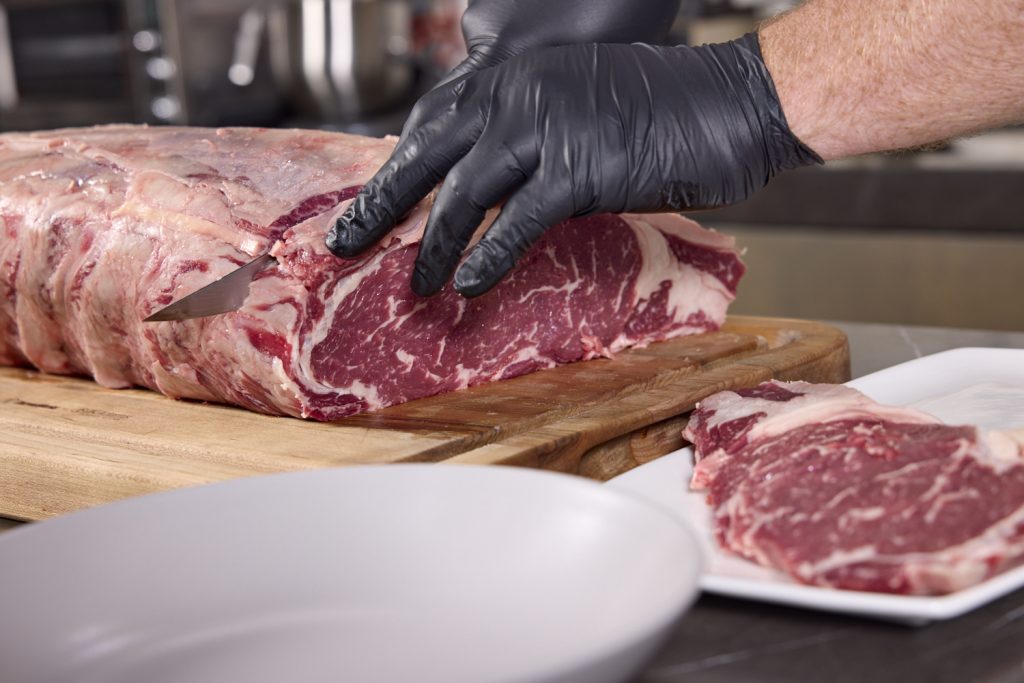
- Trim off the lip of the loin.
-
Trim away any excess fat and silver skin from the surface of the cut to make trimming the cap easier later.
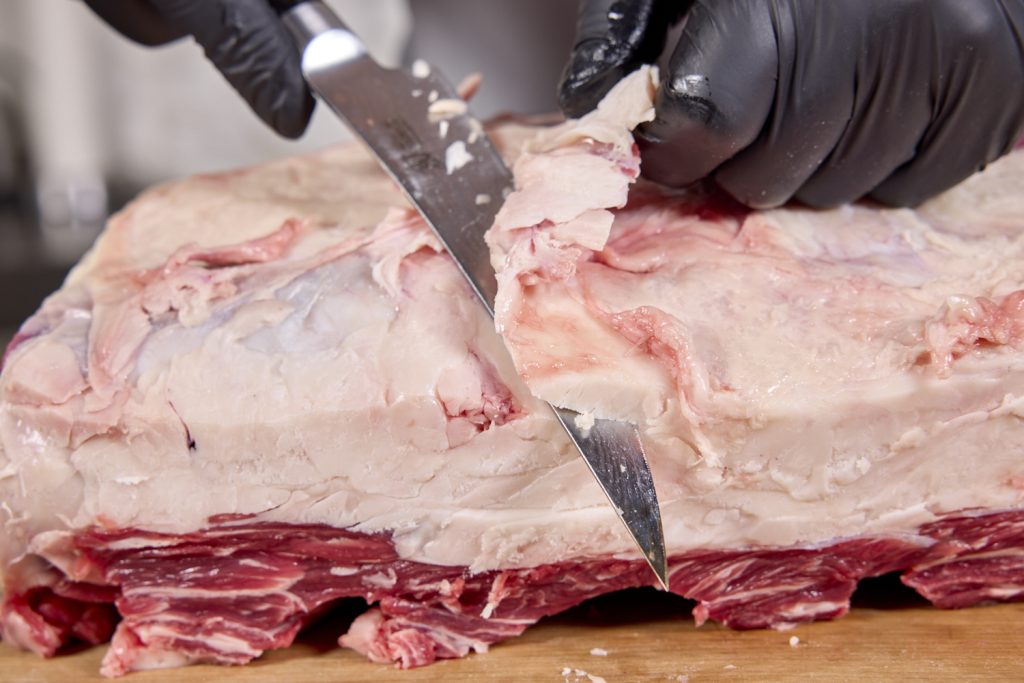
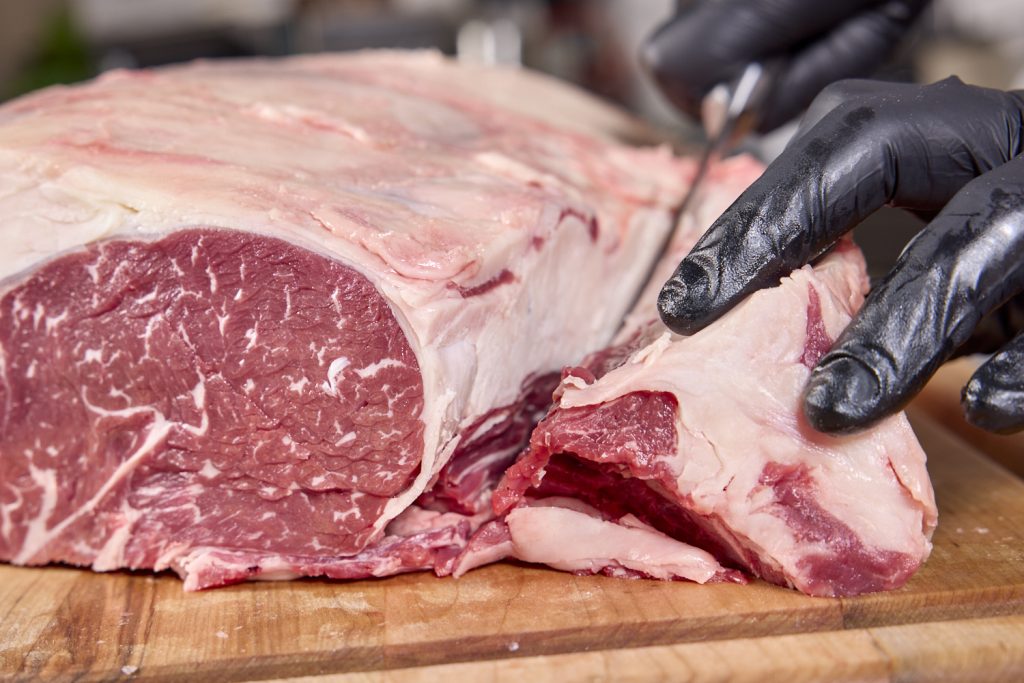
- Turn the rib loin over and remove the intercostal muscles (the between-the-rib meat).
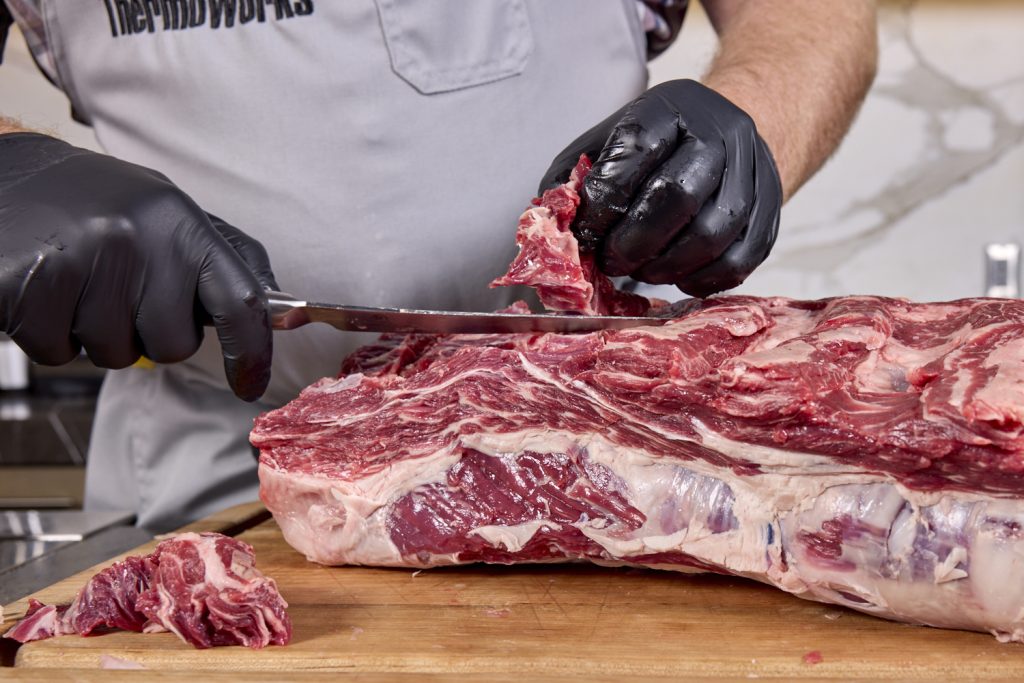
- Find the seam on the rib-side where the cap runs parallel to the length of the rib. Rip it open, trimming out any portions you can’t easily tear with your hands. Note that this step is an extremely satisfying part of the process.
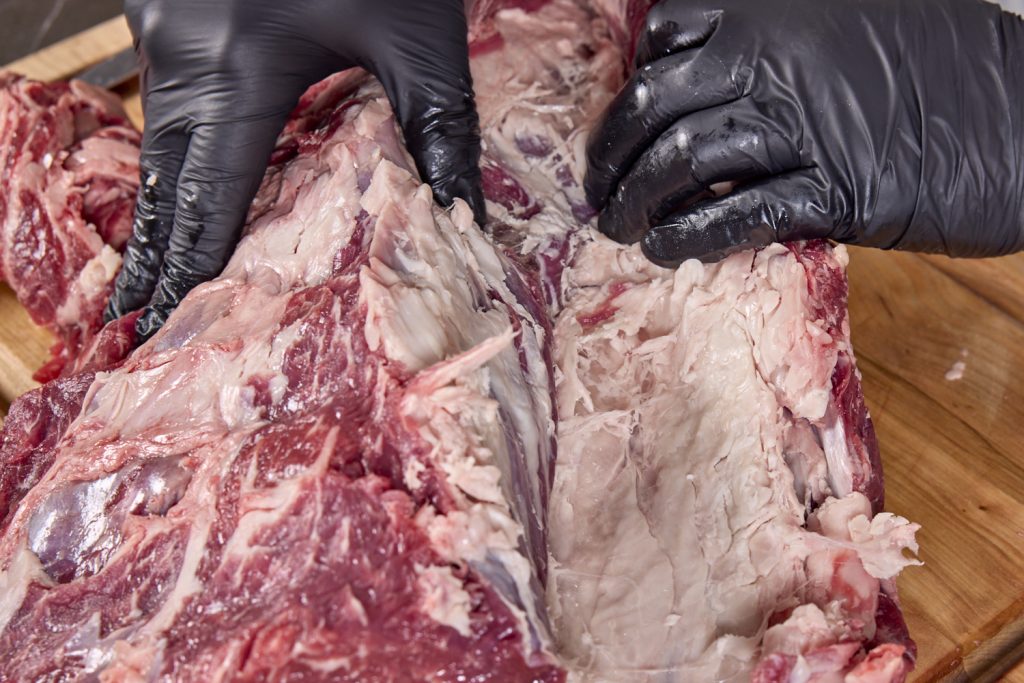
- If you like, you can cut the center—the eye—of the rib loin into steaks. These are called rib filets. Or you can wrap it up and use it later for a roast.
- Trim the rib cap of any excess fat and silver skin.
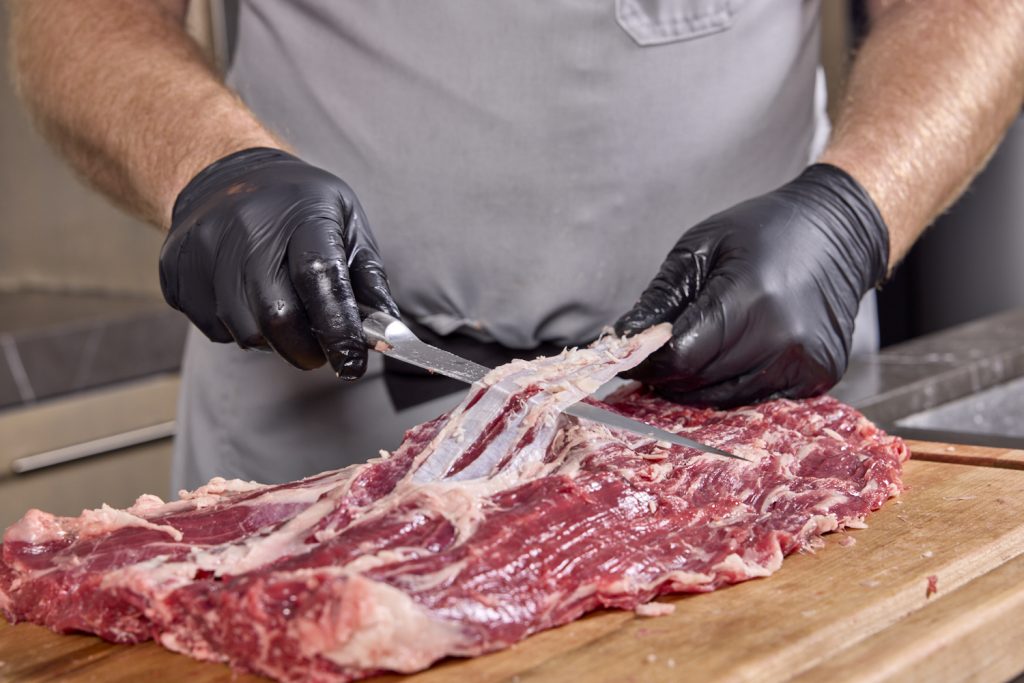
Note: one end of the cap may be a good deal thicker than the other. You can either cut the cap into pieces of even thickness for even cooking, or you can cook the thinner side to medium-rare, leaving the thicker side rare (adjust up the scale as your guests require).
Searing a rib cap
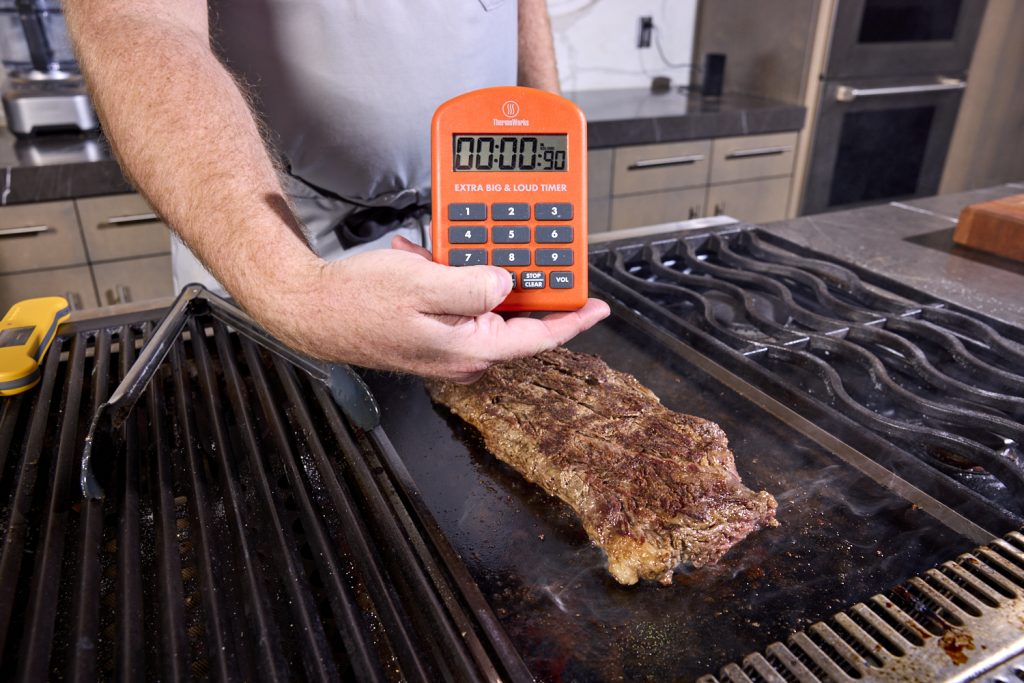
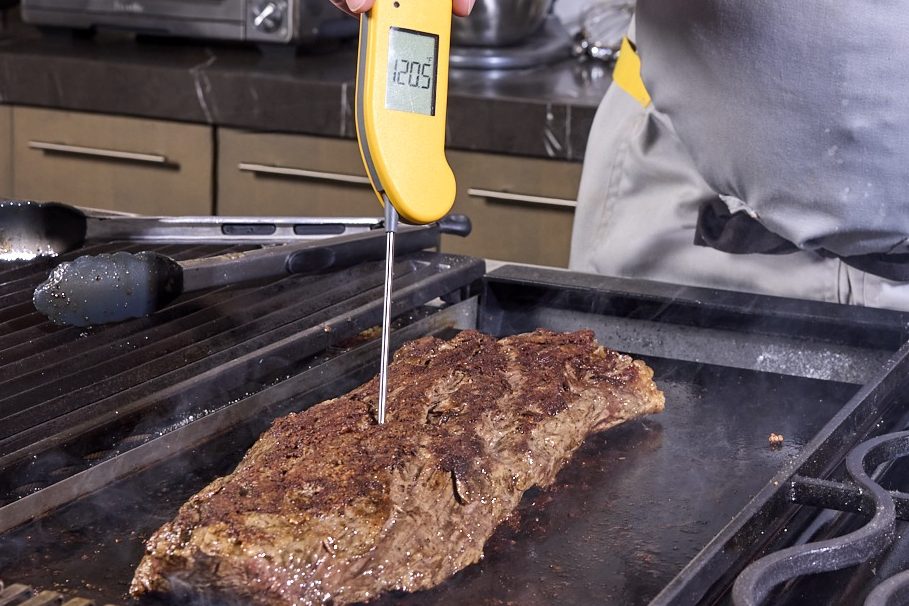
Rib cap, as with all steaks, is best when given a hard sear. You can do this on a grill, of course, but we prefer it in a cast iron pan or on a good sturdy flat top griddle. Get the surface up over 375°F (191°C)—you can use an IR thermometer to make sure the temp is high enough—before putting the steaks on to cook. Then it’s a matter of flipping and searing. Flip the steak about every 90 seconds (use an Extra Big and Loud Timer to track it) and start to temp it with a Thermapen ONE after a few flips. It’s a thick steak so it will take a little while, but using an instant read like Thermapen ONE is essential here, as this very loose piece of meat will not “feel” done with the finger test.
For medium rare steak, pull it from heat when you see no temperatures lower than 125°F (52°C). For Medium steak, pull it at 130°F (54°C).
Conclusion
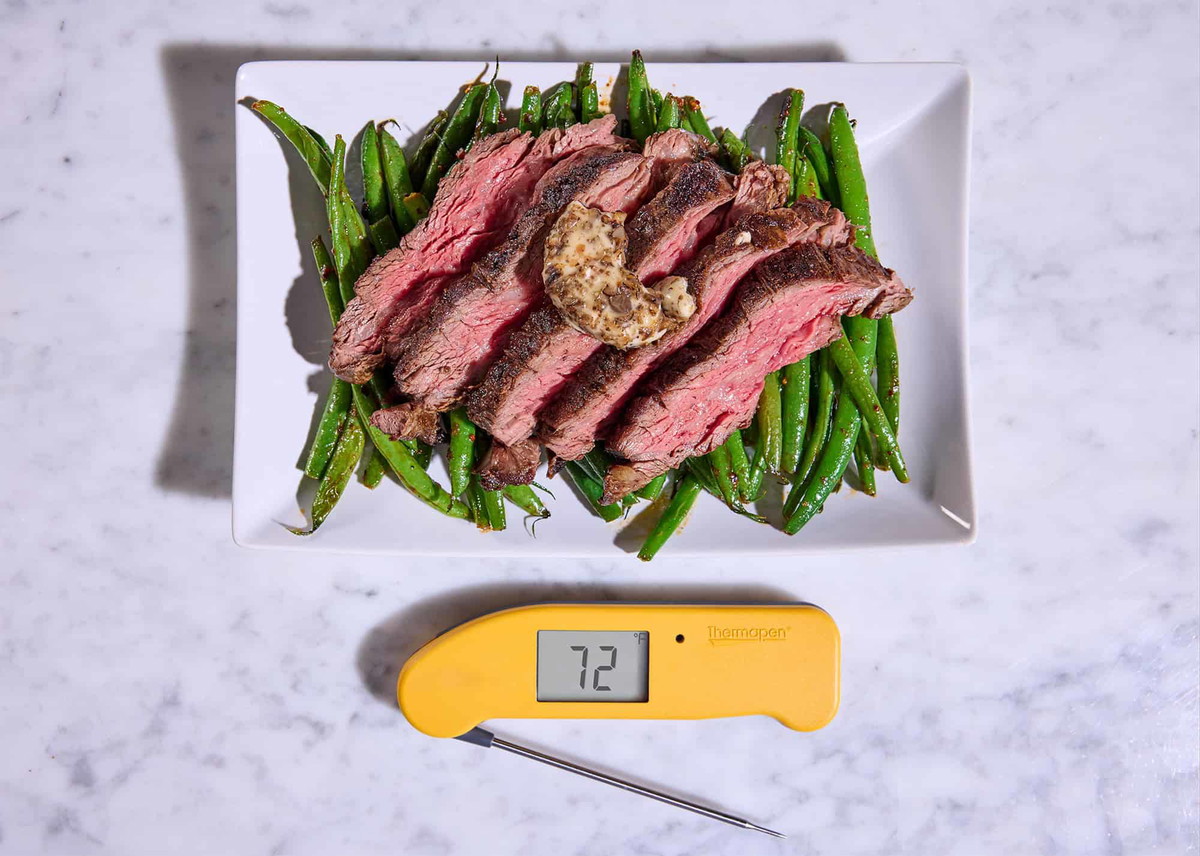
The ribeye cap is an incredible cut. It is not an exaggeration to say that the whole team here now lists it in their top beef rankings. And here’s the thing: we think you should eat this every time you buy a prime rib. If you serve the trimmed out eye-loin as a roast, you expand the prime rib’s utility. It is something I will absolutely take advantage of, and we think you will too, once you try it out
So grab a knife and a rib loin, a skillet and a Thermapen ONE and try out what may well be the best piece of beef there is.


0 comments